
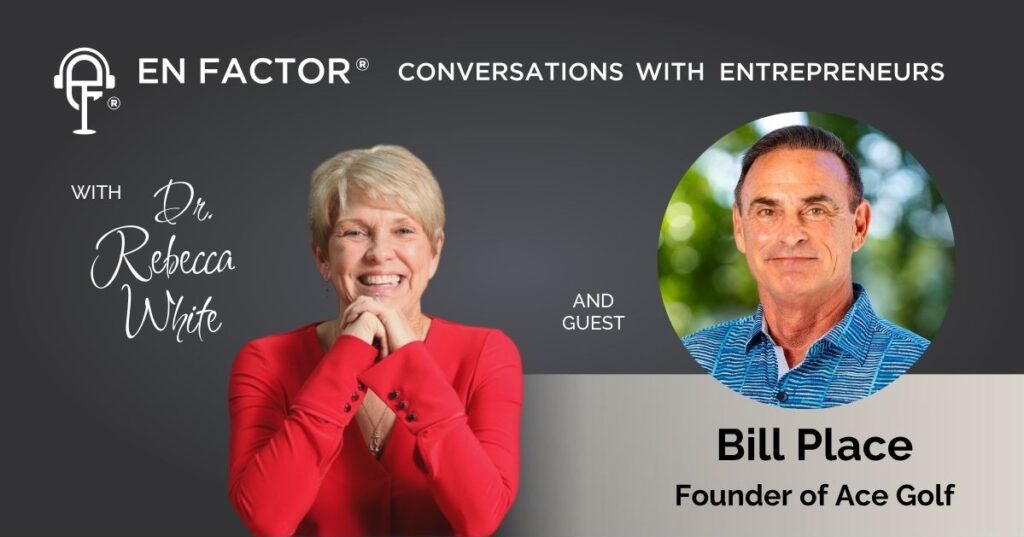
I recorded this episode of The En Factor live, in front of my graduate students at the University of Tampa. My guest, Bill Place, had spent the morning judging their pitches. In the afternoon, he sat down with me and told his own story.
Bill grew up inside a family business. His father ran Pizza Hut franchises in Pennsylvania, then moved to Florida and opened independent restaurants that failed when the 1973 oil embargo stopped tourism cold. Bill started working in those restaurants at eight years old. He learned early what success and failure feel like from the inside.
That early education shaped everything that came after.
Criteria Before Opportunity
After college, an MBA, and years in corporate telecommunications, Bill knew he had to run his own business. What strikes me is how he chose it. He started with criteria, and the opportunity came second.
He wanted real estate, because the wealthiest people in Florida at the time had built fortunes on land. He wanted a cash business, because he’d watched friends struggle to collect from customers. And he wanted a growth trend, which demographics suggested golf would deliver.
Driving ranges checked all three boxes. He bought his first property, 18 acres in Brandon, at a distressed-asset auction during the savings and loan meltdown for $287,000. He sold that same land years later for $5 million.
The lesson here is commonly overlooked. Bill didn’t predict the market. He had a clear filter, and he was ready to act when an undervalued asset appeared. That practiced readiness matters more than forecasting.
Turning Around What Others Abandoned
Starting in 2005, Bill bought golf courses that had failed or were failing. Some had been closed for years. He made them work by asking one question: what revenue streams can we create that weren’t here before?
He expanded banquet rooms. He added patios. He replaced tired clubhouse restaurants with Irish pubs, writing to courses in Ireland for pin flags and hiring an artist to paint murals. His first St. Patrick’s Day party drew a crowd so large that he, his wife, and their friends all ended up working the floor.
The creative side energized him. Taking something broken and tweaking it until it ran was the part of the work he enjoyed most.
COVID then changed everything. Florida kept its courses open, and within a year, one of his golf courses was earning more than all four combined had earned before the pandemic. Timing and luck played a role, and Bill says so openly. His honesty about that is part of what makes this conversation valuable.
The Partnership Behind the Portfolio
When I asked Bill for his one piece of advice, he said: get married. He was half joking, and fully serious.
His wife kept her corporate job and the family’s health insurance while he spent two years searching for the right property. Later, she ran the accounting while he handled marketing and operations. She built the policies and processes. He pushed the vision forward.
Complementary partnership runs through his entire story. He also credits corporate experience, telling my students that learning on someone else’s payroll before launching is a smart move.
He was candid about mistakes too. One course, a beautiful property with real marketing problems, taught him that emotion and a low price can override red flags. It barely broke even. His takeaway: not all deals are worth doing, and the warning signs deserve attention before you sign.
Lessons Worth Carrying Forward
At the peak, Bill and his wife owned four golf courses and four driving ranges with 350 employees. As they approached their sixties, they sold nearly everything, treating the driving ranges as land held for future residential development. He admits he misses it. Once you’ve run your own business, corporate life loses its appeal.
Looking back, he says he would have thought bigger and scaled sooner. He also says the people made the difference. Hiring for integrity and finding managers who ran operations independently gave him the freedom to grow, and to travel to more than 80 countries while his businesses kept running.
Here’s what I want you to take from this episode. Set clear criteria before you chase an opportunity. Build the readiness to act when distressed assets appear. Find a partner whose strengths balance yours. Pay attention to red flags, even on a bargain. And hire people you trust enough to stop managing.
I highly recommend you listen to the full conversation. Bill shares details on financing, zoning battles, lawsuits, and exits that I couldn’t fit here. You can find this episode and more resources on the entrepreneurial mindset at drrebeccawhite.com
Note: A first draft of this article was written using AI.