
The En Factor Podcast features conversations with entrepreneurs who have started, stumbled and succeeded.
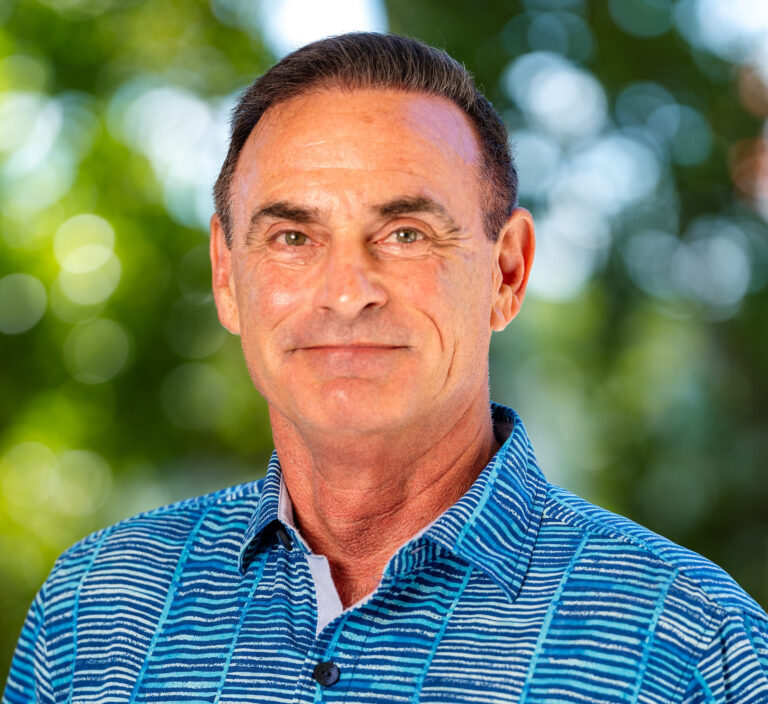
Today’s episode of The En Factor comes to you live from host Dr. Rebecca White’s classroom at The University of Tampa’s campus where Bill Place, founder of Ace Golf, joins the En Factor in front of a graduate student audience to share his entrepreneurial journey. Bill grew up in an entrepreneurial family, where he saw his father operate as a business owner including starting multiple Pizza Hut franchises, sparking Bill’s deep interest and wish to start his own business one day.
Bill’s criteria for a business area to get started in was rooted in the value of real estate, being a cash business, and finding something with a good growth trajectory. To combine these three wishes, Bill turned to the golfing world and started with buying areas of land, building out successful driving ranges and businesses to support them, and eventually exiting to turn the thriving land into a profit. Bill also moved on to full golf courses after seeing lots of success in the driving range world, and talks about how he focused on revenue streams that previously failing courses weren’t focusing on to be successful.
Tune in and join us for this special live episode of The En Factor, as you won’t want to miss a moment of Dr. White and Bill exploring topics including how Bill recognized his golf opportunity as an entrepreneur, the growing pains and challenges of expanding as Bill acquired more land for more courses and ranges, and how Bill’s business survived the COVID-19 pandemic as an outlier.
Key Words – Real Estate, Opportunity Recognition
Connect with Bill on LinkedIn, here:
linkedin.com/in/william-place-560a5a5
Explore this episode, and many other conversations with entrepreneurs on The En Factor Podcast, here:
https://drrebeccawhite.com/podcasts/en-factor
Explore Dr. White’s new Entrepreneurial Intelligence (EI) Lab, here:
https://drrebeccawhite.com/entrepreneurial-intelligence-lab/
Check out Dr. White’s book, “See, Do, Repeat”, and more from her website, here:
Chapters
00:00 • Introduction: Welcome to The En Factor
01:22 • Introduction to Today’s Guest: Bill Place
03:59 • Bill’s Early Entrepreneur Roots and Inspirations
12:00 • Bill’s Three Pieces of Criteria For Starting His Business
14:00 • How Ace Golf Came All About
15:53 • Building and Funding the Range
20:01 • Scaling Up and Buying More Courses
25:00 • How Bill’s Business Succeeded Through COVID
29:30 • The Importance of Hiring the Right People
30:55 • Turning Forgotten Revenue Streams Into Thriving Revenue Streams
35:35 • Wentworth Golf: Bill’s Big Failure and What He Learned
38:51 • The Current State of Golfing and Golf Courses
43:40 • Life After Exiting and Philanthropic Involvement
45:41 • Bill’s Final Piece of Advice for Entrepreneurs
47:33 • Live Q&A with Graduate Entrepreneurship Students at The University of Tampa
01:01:25 • Wrapping Up With Dr. White: Thank You for Tuning Into The En Factor!
Episode takeaways
- Pick a business with criteria, not passion. Bill screened ideas by three tests: real estate, a cash business, and a growth trend, after noting that friends in long-cycle businesses struggled to collect payment. That process led him to driving ranges, which he chose over car washes and self-storage.
- Do on-the-ground research. Bill visited every golf range he could and counted customers from the parking lot to judge the economics before building his own. He knew he would succeed, though he did not know how successful.
- Buy distressed assets when others cannot. Bill bought his first property, 18 acres, at an S&L auction for $287,000 and sold it six years ago for five million. He later bought failing courses that had been closed or were losing money, including two bought from banks.
- Look for hidden value in the details. Records at the county showed that one course’s driving range was zoned multifamily. He contracted to buy the course and found a buyer for the range at about the price of the whole property, so he essentially got the golf course for free.
- Create new revenue where the old model failed. He expanded banquets and patios, added Irish pubs, and offered a $50 monthly afternoon membership that filled dead hours and sent younger players to the pub. Restaurants became a considerable part of profits by the time he sold.
- Do not let emotion or a cheap price override red flags. He bought Wentworth because he loved the clubhouse and his golfer staff urged him to, despite knowing it would be hard to market. The HOA then tried to block pub customers, legal fees followed, and he sold at roughly break even, so he learned that not all deals are a deal.
- Hire for integrity and entrepreneurial thinking, and delegate management. His early budget limits meant weaker hires that cost him, while better pay later brought better people. He disliked managing staff, so he hired general managers who let him leave for a month at a time.
- Think bigger and pair up with a complementary partner. Bill says he would scale more, since he funded growth methodically from savings and could have bought ten courses, and he might then have handed work to experts. His wife kept her corporate job early on, and her detail and process focus balanced his big-picture style.




The En Factor® Podcast
Conversations with Entrepreneurs
Hosted by Dr. Rebecca White
Our audience of aspiring and established entrepreneurs are inspired to persevere throughout their entrepreneurial journey. You will hear first-hand stories of success, resilience through failure, and how to become a master in your field.

