
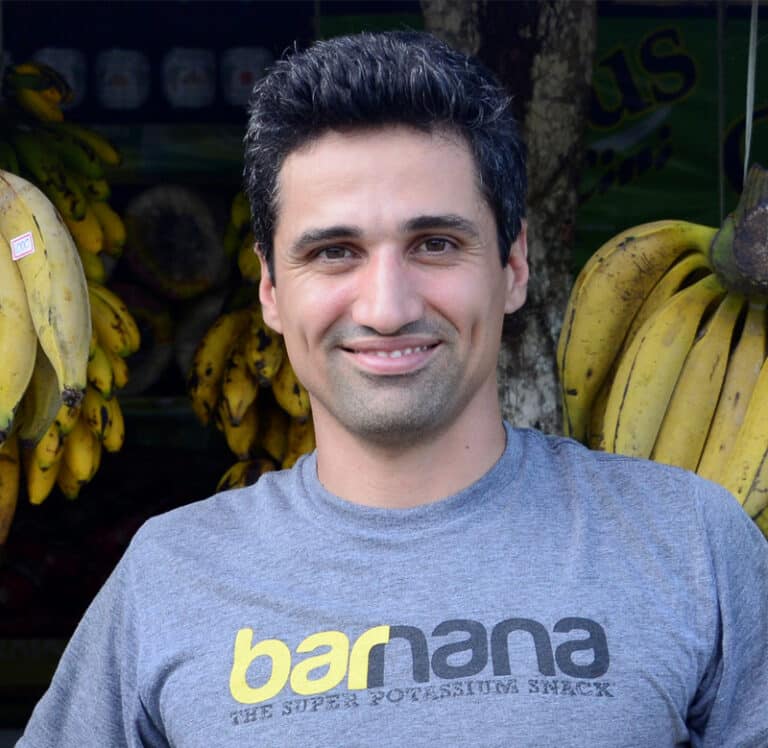
The En Factor Podcast features conversations with entrepreneurs who have started, stumbled and succeeded.
Caue Suplicy is the CEO and co-founder of Barnana, a multimillion-dollar business that uses sustainability practices to create organic snacks, while also supporting fair farming practices among indigenous communities in South America. In this episode, Caue tells the fascinating story behind Barnana’s genesis, the ins and outs of the business and the sustainability practices that he and his partners incorporated into their business model.
Key Words: Social Entrepreneurship, B-Corp, Sustainability.
Chapters
00:00 • Caue Suplicy: From Brazilian Roots to the Founding of Barnana
06:19 • Turning Familiar Foods into Successful Brands
09:26 • The Challenges of Starting a Food Business
11:35 • Expanding Barnana’s Products and Retail Distribution
15:17 • Reducing Food Waste and Supporting Farmers
22:43 • Building a Business Around a Triple Bottom Line
24:18 • Navigating Pandemic Supply Chain Challenges
26:18 • Building the Right Team and Finding Values-Aligned Partners
30:18 • Overcoming Setbacks, Scaling Barnana, and Never Giving Up
Episode takeaways
- Caue founded Barnana after recognizing an opportunity to bring a familiar Brazilian snack to the U.S. market. Growing up eating dehydrated bananas and later using them as fuel during triathlon training helped him recognize the product’s potential. Entrepreneurs can find valuable ideas by looking at their own experiences, interests, and the products they already know and love.
- Caue noticed how Brazilian products like coconut water and açaí became popular in the United States after companies developed recognizable brands and made them more accessible. He applied the same thinking to dehydrated bananas, turning a common commodity into a branded snack. Entrepreneurs should consider how branding, packaging, and accessibility can differentiate an existing product in a competitive market.
- Caue initially thought starting Barnana would be relatively simple: source bananas, put them in a bag, and sell them. In reality, he had to navigate sourcing, regulations, FDA requirements, and retail distribution. Aspiring entrepreneurs should prepare for unexpected obstacles, remain patient, and understand that turning an idea into a viable business takes time and persistence.
- Barnana’s mission grew to include reducing food waste, supporting farmers, and improving agricultural practices. Caue explains that the opportunity to help people and contribute to a greater cause helped him persevere through difficult periods. A meaningful mission can provide direction during challenges and attract employees, investors, and customers who share the company’s values.
- Caue acknowledges that he had certain strengths but needed people who were better than him in other areas, particularly marketing and operations. By collaborating with people who brought different expertise and shared his vision, he was able to turn his original idea into a growing business. Entrepreneurs don’t need to possess every skill themselves; they need to recognize gaps and surround themselves with the right people.
- Caue compares entrepreneurship to competing in triathlons, where setbacks, physical discomfort, and fluctuations in confidence are part of the journey. He describes challenges ranging from shipments stuck in ports to products being damaged at retail locations. His experience reinforces the importance of staying calm, finding alternative solutions, and continuing forward even when several problems arise at once.
- Caue encourages entrepreneurs to persevere when they believe in their ideas and their ability to help others. At the same time, he explains that having too many ideas can become distracting, so Barnana focused on expanding distribution and selling its existing product lines while continuing to innovate. Entrepreneurs should remain committed to their vision while prioritizing the activities most likely to move the business forward.




The En Factor® Podcast
Conversations with Entrepreneurs
Hosted by Dr. Rebecca White
Our audience of aspiring and established entrepreneurs are inspired to persevere throughout their entrepreneurial journey. You will hear first-hand stories of success, resilience through failure, and how to become a master in your field.

